
3 Potty-Training Myths That Actually Make It Harder (and What To Do Instead)
By Gia Gambaro Blount and Laura Birek
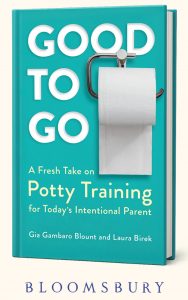
When it comes to potty training, everyone seems to have an opinion to share. Whether it’s your own mom, a nosy neighbor, or that random person chiming in on the Facebook thread, parents are inundated with conflicting advice and often don’t know where to start. That’s where we come in! We’re Gia Gambaro Blount and Laura Birek, co-authors of the new book Good to Go: A Fresh Take on Potty Training for Today’s Intentional Parent. Let’s dispel some common potty-training myths together, and show you what to do instead.
Myth 1: Potty Training can be completed in 3 days
If you’ve believed this myth, don’t feel too bad: Laura fell for it, too! In fact, she opens Good to Go with the story of how she failed at potty training her first son by following one of the popular 3-day methods. While these quick-fix approaches can seem appealing, they’re unrealistic and not aligned with the reality of how children learn new skills. What’s worse? These high-pressure approaches often employ shame as a “teaching tool,” which can backfire and actually prolong potty training.
What to do instead:
Forget the intense long weekend and instead focus on building toilet-independence skills gradually over the course of a few weeks, before you remove diapers.
Myth 2: Potty Training is like a light switch
Riddle me this: When is a child officially potty-trained? You may think there is an obvious answer: that a kid is potty trained if they’re no longer wearing diapers. But it’s not so black and white. What if they pee in the toilet, but need a diaper for poop? Or what if they’ve been using the potty for a year, but after welcoming a new sibling, they suddenly need diapers again? What if they’re dry during the day, but still using pull-ups at night? Or maybe they’re in kindergarten but still need help with wiping? Turns out, there’s a lot of gray area.
What to do instead:
Instead of thinking about potty training as a binary, where they’re either potty trained or not, we must think of it as a process. There’s no line in the sand, no finish line to cross. Instead, it’s a learning journey—sometimes on a curvy road with some backtracks, sure—where your child moves towards toilet independence.
Myth 3: You should potty train at night, too
Parents often come to us stressed out and exhausted because they’re told to remove nighttime diapers while potty training, and it’s not going well at all. They’ve been given advice to limit evening fluids, and attempt a “dream pee” where they pick up their sleeping toddler to put them on the potty in the middle of the night. Despite their best attempts, their child is still wetting the bed, and everyone’s cranky from dehydration and lack of sleep.
What to do instead:
The good news? Nighttime dryness is 100% developmental— it’s not a teachable skill. Staying dry while asleep is a neurological milestone that happens when it happens, and trying to force it will just make everyone miserable. Some stats to help reassure you: most pediatricians aren’t concerned with bedwetting until age 8 or 9, and 1 in 6 kindergarteners are still using pull-ups at night. So, don’t worry about removing nighttime (and naptime!) diapers. Instead, you can just make sure your child wears a different type of diaper while awake and asleep, so when you start potty training, they know it’s only awake diapers that are going away, and the sleep diapers are staying put (for now).
No matter what, we want you to trust your own gut when it comes to potty training. You know what’s best for your family, and can adjust your approach to match your child. There’s so much more to say, which is why we wrote a 200+ page book about potty training! For more level-headed guidance, check out Good to Go or visit https://goodtogoparenting.com.

Developed by parenting expert Gia Gambaro Blount, this realistic, definitive approach to potty training draws from twenty years of wisdom. Alongside Blount’s practiced insight, mom and podcaster Laura Birek documents her own personal (and often hilarious) stories about potty-training her toddler in real time.